Cornfield SA Img2G crp2
Publications

Recent publications

Publications 2008 - 2024

Geostrategic aspects of policies on food security in the light of recent global tensions–Insights from seven countries
Authors Bettina Rudloff, Kristina Mensah, Christine Wieck, Olayinka Kareem, Jose Ma Luis Montesclaros, David Orden, Neils Sonddergaard, Wusheng Yu
Publication date: 2024/4/1
Description
This study contributes to the recent literature on geostrategic aspects of economic policy and the objective of economic security by addressing food security as a subcategory within economic security. Against the backdrop of the COVID-19 crisis and the Russian invasion of Ukraine, this study analyses whether and how the relevance of food security as a national policy goal has changed. It focuses on the questions of whether countries’ policy choices towards this objective have initiated longer-term strategic shifts, rather than just acute reactions, and analyses the extent to which these adjustments are influenced by underlying geopolitical considerations. To answer these questions, developments in food security policies are identified, focusing primarily on the perspective of security of supply. This perspective fits with the recent political focus and current initiatives by many countries aiming at national economic and supply security in general.
Authors: MO Oniya, OI Kareem, OJ Afolabi
Publication date: 2023/1/31
Journal: Journal of Public Health and Epidemiology
Volume 15
Description
Most often, patronage of open markets attracts huge populations of buyers in Nigeria. These markets are numerous in each state of the country but largely share similar characteristics in poor hygiene and sanitation. Health Impact Assessment (HIA) was conducted at Shasha market, Oba-Ile, Akure to assess the health implication of patronage of open markets, an emerging public health concern. Air, water and selected food samples were taken for microbial analysis while soil samples from different spots in the market, and faecal samples from residents of the market community were also taken for parasitology. The respective tests followed standard procedures to determine the coliform count and parasitic fauna in the collected samples. Out of 73 faecal samples that were examined, 69 (94.52%) were positive. Hookworm ova had the highest occurrence (40%) followed by Strongyloides. stercoralis and Ascaris…
Journal of Policy Modeling
Volume 44
Issue 5
Pages 886-902
Publisher North-Holland
 
Description
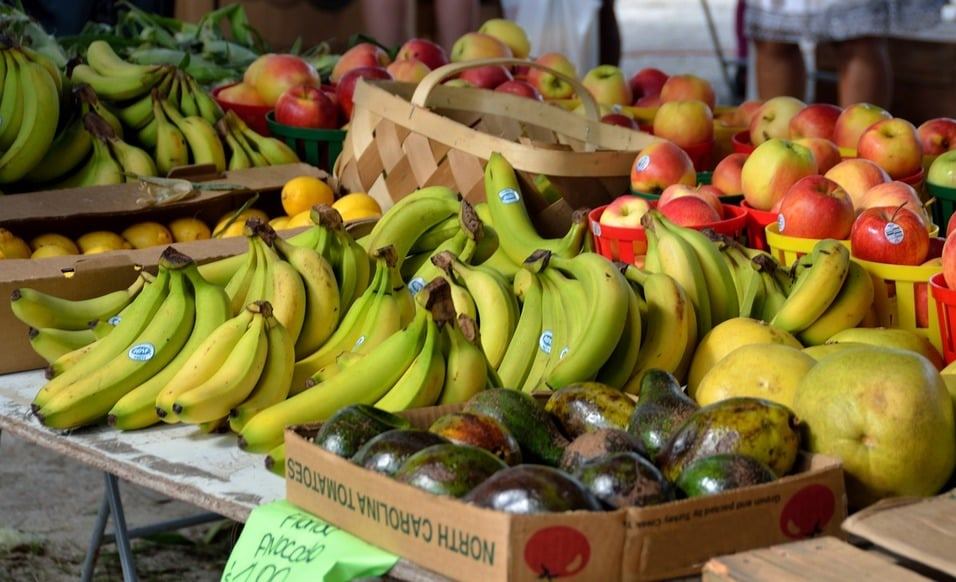
The regulations of fruit trade for safe consumption are taken seriously in the EU and US markets to protect the health of the consumers, animals, plants and environmental safety, and thereby reduce health expenditures. The fruit safety regulations as trade policy measures could be either trade-promoting or -impeding. The extensiveness and intensiveness of fruit safety regulations in these markets often have consequences for exporters from Africa and their desire to attain sustainable economic development. The effects of fruit safety regulations are heterogeneous across economic agents. To this end, many stakeholders in Africa’s food system have perceived compliance with these food regulatory measures as necessary conditions to access the developed countries’ markets, particularly in the EU and US. Besides, the competitiveness of Africa’s fruit exports has been impacted by the preponderance of the measures …
Privacy Overview

This website uses cookies so that we can provide you with the best user experience possible. Cookie information is stored in your browser and performs functions such as recognising you when you return to our website and helping our team to understand which sections of the website you find most interesting and useful.